Your heating and cooling system is usually the largest energy expense in an American home and one of the largest repair expenses when it fails. The encouraging news, straight from the Department of Energy and ENERGY STAR: most HVAC failures are preventable with routine maintenance a homeowner can schedule — and a few tasks you can do yourself (energy.gov).
This guide covers what HVAC maintenance includes, what professional service costs, what replacement costs when the day comes, and how to tell the difference between a $150 fix and a $10,000 decision. Pair it with our home maintenance checklist to keep every system on schedule.
Why HVAC Maintenance Matters
ENERGY STAR’s maintenance checklist frames the professional tune-up plainly: technicians check thermostat settings, tighten electrical connections, measure voltage and current on motors, lubricate moving parts, and verify system controls (energystar.gov). Left undone, those small items compound: dirty coils lower efficiency, loose electrical connections shorten component life, and restricted airflow raises runtime and bills. Maintenance also protects indoor air quality — the EPA emphasizes filtration and ventilation as core air-quality strategies (epa.gov).
Monthly and Quarterly Tasks Homeowners Can Do
- Filters: check monthly during heavy-use seasons and replace at least every three months, per ENERGY STAR. More often with pets or allergies. Filters cost just a few dollars; this is the highest-return HVAC task there is.
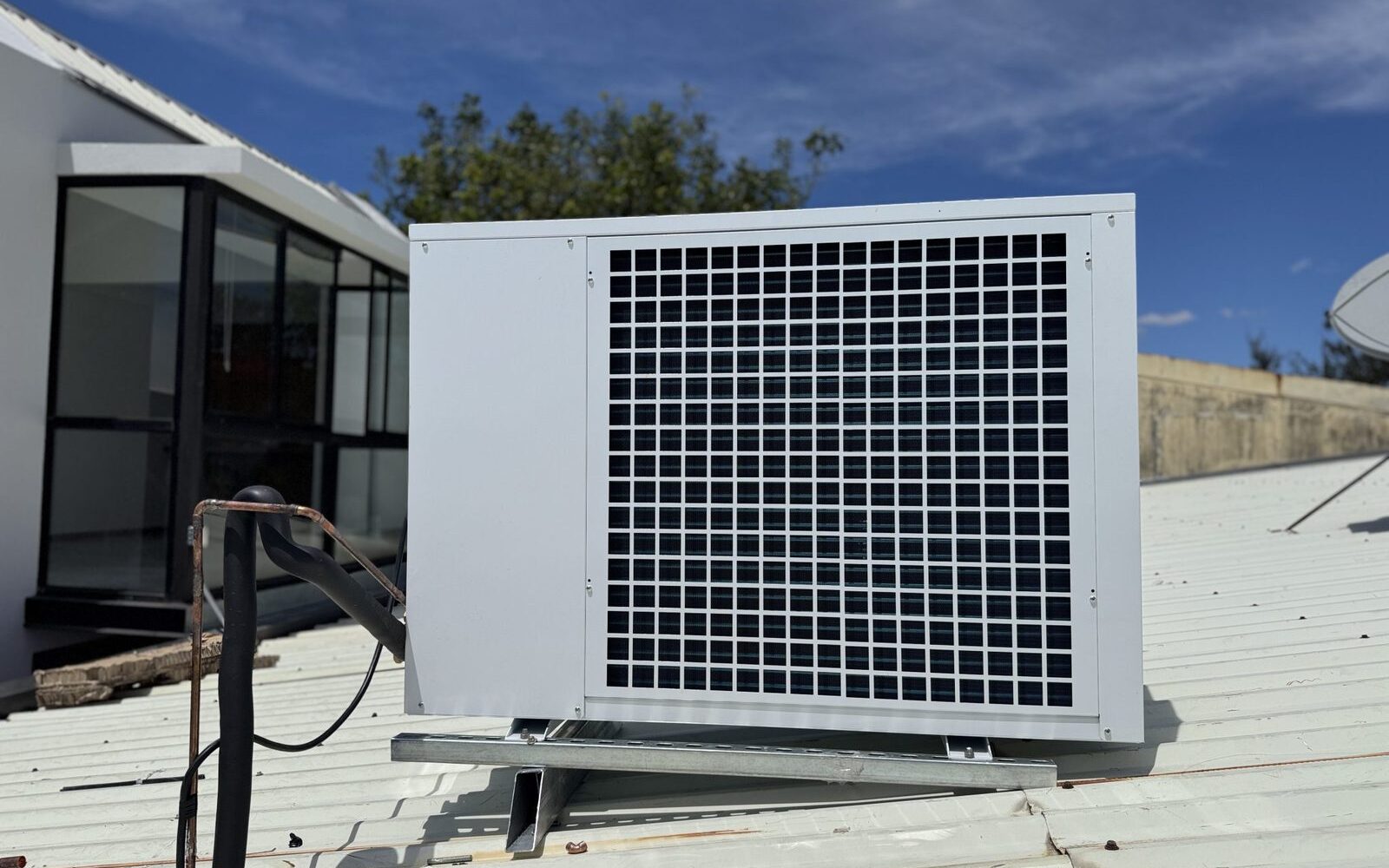
- Clear the area around outdoor units: keep two feet of clearance from shrubs, mulch, and stored items.
- Rinse the outdoor coil gently with a garden hose (power off first) and keep the condensate drain line clear — a bleach-and-water flush a couple of times a year prevents backups.
- Vents and returns: keep furniture and rugs from blocking airflow, and vacuum vent covers.
- Thermostat: replace batteries and review schedules seasonally. A programmable or smart thermostat manages setbacks without guesswork.
Professional HVAC Maintenance: What It Costs
A standard furnace tune-up runs about $70 to $200, while annual maintenance plans including inspection, tune-up, and minor repairs fall in the $150 to $500 range (HomeGuide). For comparison, HomeAdvisor reports furnace repairs averaging about $318, with a typical range of $133 to $505 (HomeAdvisor) — meaning one avoided mid-season breakdown can pay for a year or two of tune-ups.
Book heating service in early fall and cooling service in spring, before demand peaks. A typical maintenance visit lasts 60 to 90 minutes and should end with a written report of what was checked and anything flagged. When you are ready to schedule, browse verified HVAC professionals on HomeGuideIS and see local recommendations in our community section.
Seasonal HVAC Checklist
Before Cooling Season (Spring)
- Replace the filter and clear the condensate drain.
- Clean around the outdoor condenser; check the pad for settling.
- Test cooling mode early — when outdoor temps are still moderate — so repairs happen before the first heat wave.
- Consider a professional tune-up; cooling calls spike in summer.
Before Heating Season (Fall)
- Schedule a furnace or heat-pump tune-up and, if you heat with oil or wood, arrange chimney service.
- Test the system before cold weather; check for unusual smells (a brief dusty smell is normal on first start; persistent burning smells are not).
- Inspect visible ductwork in attics and crawlspaces for disconnected runs and failed mastic seal.
- Change filters and confirm carbon monoxide alarms are working.
Thermostats, Zoning, and Controls
The thermostat is the part of your HVAC system you touch every day, and it has an outsized effect on both comfort and cost. Programmable thermostats handle scheduled setbacks automatically, while smart thermostats learn household patterns, adjust for occupancy, and report runtime data that helps you spot problems early – a system suddenly running longer for the same weather is worth investigating.
Two cautions apply. First, aggressive setbacks are not always cheaper: heat pumps with electric backup and some zoning systems respond better to moderate setpoints than to large swings, so test what actually lowers your bills. Second, smart thermostats must be compatible with your system’s wiring and staging; have an HVAC technician confirm compatibility before buying, especially with proprietary communicating equipment.
Zoning takes the idea further by dividing the home into independently controlled areas with dampers in the ductwork. It shines in multi-story homes and houses with rooms that are rarely used, and it pairs well with variable-speed equipment that can run longer at lower output. If you are replacing a system anyway, it is worth pricing zoning at the same time – retrofitting dampers later is disruptive and expensive.
Repair vs. Replace: The 15-Year Question
ENERGY STAR frames replacement decisions around age and efficiency: systems more than roughly 15 years old are candidates for replacement rather than repair, especially when facing a major component failure like a compressor or heat exchanger. Cost guides give the scale of that decision — Carrier’s published guidance puts HVAC replacement anywhere from about $3,000 to more than $15,000 depending on equipment type, efficiency rating, sizing, and installation complexity (Carrier), and HomeAdvisor’s data points to similar spans for combined systems (HomeAdvisor).
A practical rule of thumb many technicians use: multiply the repair estimate by the system’s age in years, and if the number is high relative to replacement, replace. Also weigh efficiency — a new system with a higher SEER2 rating can meaningfully cut summer electricity use, and the Department of Energy recommends evaluating whether replacement is justified versus retrofitting for efficiency.
Getting the Most From Your System
- Seal and insulate ducts, especially in unconditioned spaces — leakage is one of the biggest energy wasters in American homes.
- Right-size equipment: insist on a proper load calculation (Manual J) when replacing; oversized units short-cycle and dehumidify poorly.
- Zoning and smart controls reduce runtime where it is not needed.
- Humidity control: whole-home dehumidifiers help in humid climates and take pressure off the AC.
HVAC condition is also a selling point at resale — inspectors and buyers both check service records, as we note in our guide to selling your house. And because plumbing and HVAC share the mechanical room, water heater care belongs on the same schedule; see common plumbing problems for those warning signs. If a full system upgrade is part of a larger remodel, plan it alongside our kitchen remodeling guide where ventilation and ductwork often move.
Frequently Asked Questions
How often should HVAC maintenance be done?
Once a year for heating equipment and once for cooling equipment — a spring AC check and a fall furnace or heat-pump check. Homeowners should check filters monthly during heavy-use seasons and replace them at least every three months.
What does a professional HVAC tune-up cost?
Expect roughly $70 to $200 for a standard tune-up, and $150 to $500 for annual maintenance plans that include inspection and minor repairs (HomeGuide). By comparison, furnace repairs average about $318.
When should I replace instead of repair?
When the system is more than about 15 years old and facing a major component failure, or when repair costs are a large fraction of replacement. Replacement spans roughly $3,000 to $15,000-plus depending on system type and efficiency.
How long do HVAC filters last?
Check monthly during heavy-use seasons and replace at least every three months, per ENERGY STAR — more often with pets, allergies, or heavy dust. This single task protects efficiency and airflow.
Does HVAC maintenance really save money?
Yes. Tune-ups keep coils, electrical connections, and airflow in spec, which lowers energy use and helps prevent mid-season breakdowns. A single avoided repair, at an average of about $318, can offset one or two years of routine service.