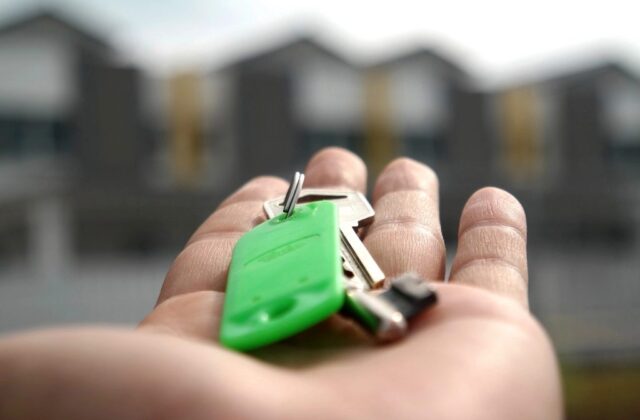
Buying your first home is the largest financial transaction most Americans will ever make, and it is also the one they are least rehearsed for. The process has its own vocabulary — pre-approval, appraisal contingency, closing costs, escrow — and its own timeline, usually measured in months, not weeks. This first-time home buyer guide walks through the entire journey in order, from the first month of saving to the day you get the keys, with realistic figures drawn from national industry research and government programs.
The market context matters. According to the National Association of REALTORS® 2025 Profile of Home Buyers and Sellers, first-time buyers fell to just 21 percent of all buyers — a historic low, against a pre-2008 norm of around 40 percent — and the typical first-time buyer is now 40 years old (nar.realtor). That is not a reason to give up; it is a reason to prepare better than the competition. If you want the longer version of this journey, our complete guide to buying your first home goes deeper on each stage.
Step 1: Get Honest About What You Can Afford
Before you browse listings, decide what monthly payment fits your life. Lenders qualify you on gross income and recurring debts, but you live on net income after taxes, childcare, and everything else. A common budgeting approach is to keep total housing costs — principal, interest, taxes, and insurance — within a comfortable share of take-home pay, with room left for the maintenance every home demands. Fannie Mae’s homeowner education material recommends budgeting 1% to 4% of your home’s value per year for upkeep (yourhome.fanniemae.com), so ownership costs do not end at the mortgage payment.
Step 2: Build Your Down Payment and Cash Reserves
The 2025 NAR profile found the typical down payment for first-time buyers was 10 percent — the highest share recorded since 1989 — while repeat buyers put down a median of 23 percent. Among first-time buyers, 59 percent used personal savings and 26 percent tapped financial assets (nar.realtor). But 20 percent down is a myth, not a requirement. FHA loans require as little as 3.5 percent down for borrowers with a FICO score of 580 or above, and 10 percent for scores between 500 and 579 (fha.com). Fannie Mae’s HomeReady mortgage allows down payments as low as 3 percent for qualifying buyers (yourhome.fanniemae.com). Remember that a smaller down payment usually means mortgage insurance and a larger loan — and that you will still need cash for closing costs and reserves.
Step 3: Check and Strengthen Your Credit
Your credit score shapes your interest rate, and your interest rate shapes the next 30 years. Pull your reports from the major bureaus, dispute errors, pay every bill on time, and avoid opening new credit in the months before your mortgage application. Small score improvements can meaningfully change your rate — and unlike price, the rate is locked in for the life of a fixed loan.
Step 4: Shop for a Mortgage Before You Shop for Houses
Get pre-approved — not just pre-qualified — before your first showing. A pre-approval is based on verified income, assets, and credit, and it tells sellers you can actually close. Our home guides cover the financing side in depth, including mortgage fundamentals and closing costs. Compare at least three lenders: on the same day, with the same loan amount, so the quotes are apples to apples.
A useful reality check on timing: lenders and agents can only move as fast as your preparation. A clean pre-approval file with organized documents is the difference between a 30-day close and a dragged-out one — and in competitive situations, a fast, reliable close is part of your offer’s value to the seller.
Step 5: Choose the Right Team
Most buyers use an agent — 88 percent purchased through a real estate agent or broker in the 2025 NAR survey, and buyers said they most wanted help finding the right home (50 percent) and negotiating the terms of the sale (13 percent). Interview at least two or three agents, ask about their experience with first-time buyers in your price range, and read the representation agreement before signing it. Our guide to selling your house explains how representation works from the other side of the table.
Step 6: Research Neighborhoods Like a Local
You can change the paint; you cannot change the location. Visit candidates on weekday evenings and weekend mornings, test the commute at rush hour, and research flood zones, schools, and planned development. Then browse what is actually available in those areas on our property listings to calibrate expectations against your budget.
Step 7: Make a Strong, Sensible Offer
Price is only one lever. Earnest money, contingencies, closing timeline, and flexibility on appliances all matter to sellers. Keep the inspection and financing contingencies that protect you — waiving them is a common regret in competitive markets — and price your offer against recent comparable sales, not asking-price folklore.
Step 8: Inspect, Appraise, and Verify
The inspection is your window into the home’s real condition; the appraisal protects the lender (and you) from overpaying. Budget a few hundred dollars for the inspection, and treat the report as a maintenance roadmap, not just a negotiation weapon. When the deal closes, that roadmap feeds directly into a plan like our home maintenance checklist.
Step 9: Understand the Money at Closing
Closing costs typically run 2% to 5% of the loan amount — roughly $8,000 to $20,000 on a $400,000 loan (Bankrate) — on top of your down payment. Your lender must send a Closing Disclosure at least three business days before closing so you can compare it to your Loan Estimate line by line (consumerfinance.gov).
Step 10: Plan the First Year of Ownership
Once the keys are yours, the shift is from buying to maintaining. Prioritize safety items from the inspection, build the maintenance fund, and spread projects across the seasons. When you eventually sell, that record of care will pay you back — the same discipline that got you into the house keeps your equity intact until then.
Frequently Asked Questions
How much do I really need for a down payment?
Less than most first-time buyers think. FHA-backed loans start at 3.5 percent down with a credit score of 580 or higher, and some conventional programs such as Fannie Mae’s HomeReady start at 3 percent for qualifying borrowers. The typical first-time buyer put down 10 percent in 2025. Just remember: the less you put down, the more you borrow — and the more you may pay in mortgage insurance.
What credit score do I need to buy a house?
It depends on the loan type. FHA guidance sets a minimum FICO of 580 for the 3.5 percent down option (and 500 with 10 percent down), while conventional loans typically want higher scores for their best pricing. If your score is borderline, a few months of on-time payments and lower card balances can move it.
How long does it take to buy a home?
Plan on several months from pre-approval to closing. In the 2025 NAR survey, buyers searched for a median of 10 weeks before finding a home, and financed purchases typically add another 30 to 45 days for underwriting, appraisal, and closing.
Should I use the listing agent to save money?
The listing agent works for the seller. First-time buyers in particular benefit from their own agent whose job is your interests — helping you find the right home and negotiating terms, the two tasks buyers value most according to NAR’s research.
What surprises first-time buyers most?
The cash needed beyond the down payment. Closing costs, inspections, moving, immediate repairs, and the first year of maintenance add up quickly, so keep a reserve separate from your purchase money.